101-4484 Main Street, Vancouver BC  ·  (604) 876-6410
Free delivery: Vancouver, Richmond, Burnaby, North Shore
Home  ›  Compounding  ›  Low Dose Atropine

Low Dose Atropine for Myopia in Vancouver, BC

If your child's eye doctor has recommended low dose atropine to help slow myopia progression, Carebridge makes the pharmacy part simple: four strengths (0.01, 0.02, 0.025, and 0.05 percent) on your optometrist's or ophthalmologist's prescription, with preservative-free versions available on request and reliable refills for a treatment that runs on consistency.

Four strengths, 0.01 to 0.05 percent Sterile ophthalmic standards Preservative-free on request
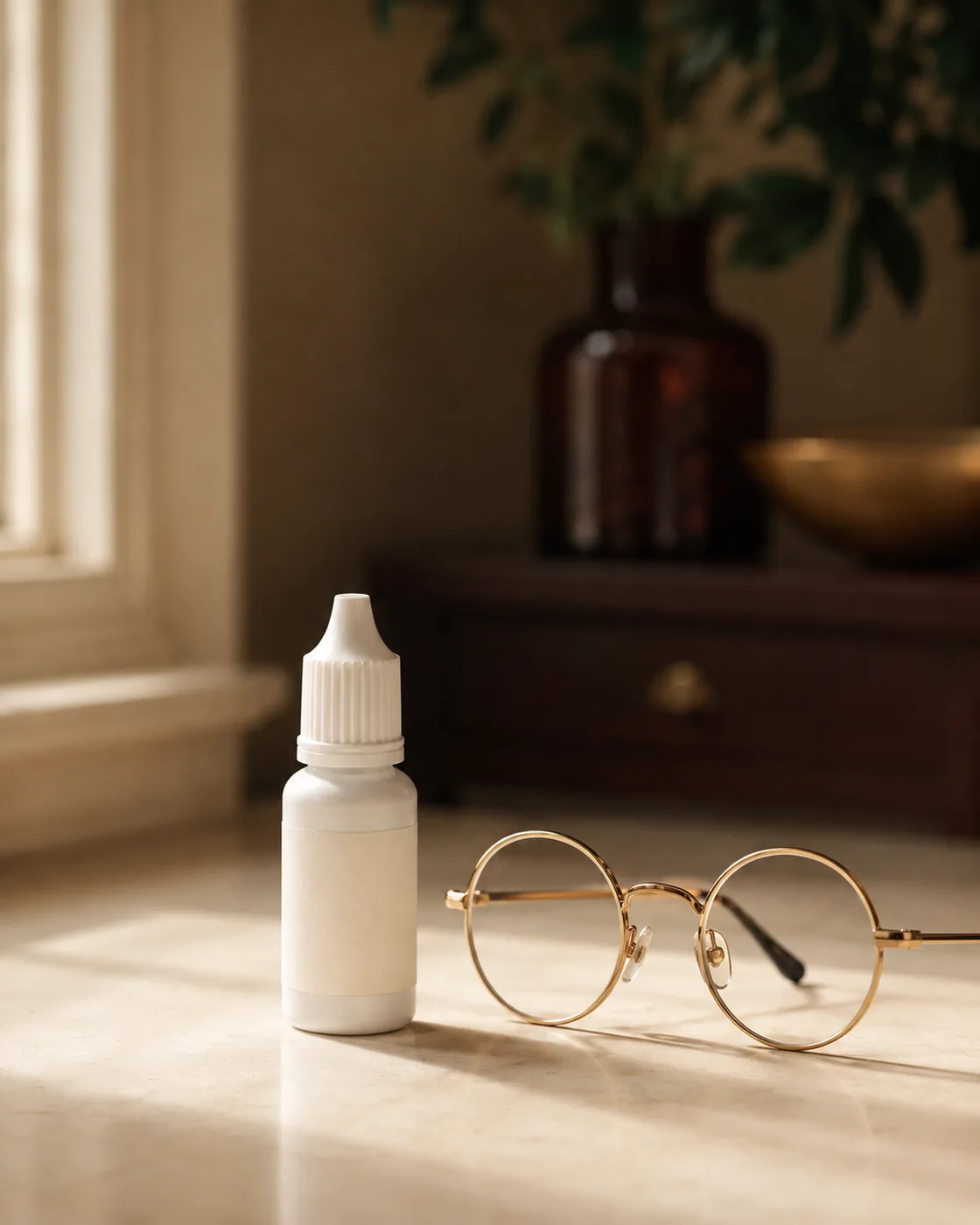
Small ophthalmic dropper bottle on a counter beside a pair of round glasses in soft light
For parents, in plain language

What is low dose atropine, and why did our eye doctor suggest it?

Myopia (nearsightedness) in children tends to progress as the eye grows too long, and higher myopia later in life carries higher risks for eye health. Myopia management aims to slow that progression during the growing years. Options your eye doctor may discuss include special contact lenses, myopia-control spectacle lenses, and low dose atropine drops; many children use a combination.

Atropine has been used in eye care for over a century, at a 1 percent strength, for dilating pupils. At much lower concentrations (0.01 to 0.05 percent), large clinical trials in children have shown it can slow myopia progression, with far fewer of the light-sensitivity and near-blur effects of the full-strength drop. In the LAMP study, 0.05 percent was the most effective of the low concentrations, which is why many eye doctors now start at 0.025 or 0.05 percent.

Two honest caveats. First, atropine slows progression; it does not reverse existing myopia, and your child will still need glasses or contacts. Second, this use is off-label: no manufacturer makes a Health Canada approved low dose atropine product, which is exactly why it comes from a compounding pharmacy on your eye doctor's prescription.

Stocked and ready

The strengths we carry, no waiting to compound

Carebridge keeps four low dose atropine concentrations prepared and on hand, so once we have your eye doctor's prescription, there is no waiting on a compounding run. Preservative-free versions are available on request for children sensitive to preservatives such as benzalkonium chloride.

Gentlest
Atropine 0.01 percent
The most conservative and longest-studied concentration, with minimal side effects. Chosen for younger or light-sensitive children, or as a starting point.
One drop in each eye at night, or as your eye doctor directs. Preservative-free available on request.
Gentle step up
Atropine 0.02 percent
Studied alongside 0.01 percent in the North American CHAMP trial, giving eye doctors a small step up from the gentlest dose while staying very well tolerated.
One drop in each eye at night, or as your eye doctor directs. Preservative-free available on request.
Middle step
Atropine 0.025 percent
A common middle ground: more effect than 0.01 percent in the LAMP comparison, while staying well tolerated for most children.
One drop in each eye at night, or as your eye doctor directs. Preservative-free available on request.
Most effective low dose
Atropine 0.05 percent
In the LAMP study, the most effective of the low concentrations over two years, and many eye doctors' choice when stronger control is the goal.
One drop in each eye at night, or as your eye doctor directs. Preservative-free available on request.

One drop in each eye at bedtime is the usual routine; your eye doctor sets the concentration and schedule. Because these are sterile ophthalmic preparations, they carry a beyond-use date and storage instructions on every bottle. Preservative-free formulations are prepared on request.

The standard behind the drops

Eye drops are held to a higher standard.

Anything that goes into an eye must be sterile; that is a hard requirement, not a preference. In BC, compounded eye drops are prepared under the sterile compounding standards adopted by the College of Pharmacists of BC. At these tiny concentrations, small preparation errors matter, and independent testing has found many compounded low dose atropine products off their labelled strength. Carebridge supplies low dose atropine with concentration and dating that you and your eye doctor can rely on, and we are transparent with prescribers about exactly how each preparation is made and verified.

  • Prepared to the sterile compounding standards required for ophthalmic preparations
  • Concentration, storage, and beyond-use dating documented on every bottle
  • Preservative-free versions prepared on request
  • Refills synchronized so treatment never stalls between bottles
From prescription to first drop

How it works for your family

1

Your eye doctor prescribes

Your optometrist or ophthalmologist chooses the concentration and faxes the prescription to (604) 875-6808.

2

Pharmacist review

We confirm the concentration and whether you want preservative-free, then confirm cost, coverage, and timing with you.

3

Dispensed from stock

Because we keep the strengths on hand, there is usually no wait for compounding; preservative-free is prepared on request.

4

Pickup or delivery, then refills

Pick up on Main Street or get free delivery, with refills scheduled so you never run out mid-treatment.

For optometrists and ophthalmologists

A low dose atropine supply partner you can rely on

Verified concentrations, documented quality, sensible beyond-use dating, preservative-free on request, fast turnaround, reliable refills, and direct billing. Send prescriptions by fax and reach our pharmacist directly for stability data or formulation questions. Ask us for the prescriber information package and a supply of order forms for your clinic.

Prescriptions, fax to(604) 875-6808
Prescriber information

Three ways to start

My child has a prescription

Send it to us

Have your eye doctor fax it to (604) 875-6808 or bring it in. Because we stock the strengths, there is usually no wait. We confirm cost and timing before dispensing.

Call (604) 876-6410
We're still deciding

Ask us your questions

Cost, side effects, preservative-free options, how the drops are given, how refills work: a pharmacist will walk you through it. Treatment decisions stay with your child's eye doctor.

Talk to a pharmacist
I'm an eye care professional

Submit a prescription

Fax to (604) 875-6808. Verified concentrations, preservative-free on request, documented quality, and direct pharmacist access.

Prescriber information

A note on safety

Low dose atropine is generally well tolerated in children in clinical trials, with mild light sensitivity or near blur in some children, more often at higher concentrations. Use it exactly as your eye doctor directs, keep regular follow-up appointments, and store the bottle out of reach of children: swallowed atropine can be harmful, so treat it like any medication. Contact your eye doctor for eye pain, redness, or vision changes, and seek urgent care for any suspected ingestion.

Low dose atropine, answered for parents

Is low dose atropine safe for children?

In large clinical trials involving hundreds of children over multiple years, low dose atropine was generally well tolerated. The most commonly reported effects are mild light sensitivity and near blur, which are less frequent at lower concentrations. Use for myopia is off-label, and treatment should be supervised by your child's optometrist or ophthalmologist with regular follow-up.

Which strengths does Carebridge carry, and is there a wait?

We carry four strengths: 0.01, 0.02, 0.025, and 0.05 percent, kept on hand so there is usually no waiting for compounding once we have the prescription. Preservative-free versions are prepared on request for children sensitive to preservatives such as benzalkonium chloride.

Does low dose atropine cure or reverse myopia?

No. Atropine slows the progression of myopia during the growing years; it does not reverse nearsightedness that has already developed. Children continue to need glasses or contact lenses during treatment. The goal is a lower final prescription and healthier eyes long term.

Why can't we just buy these drops at any pharmacy?

No manufacturer makes a Health Canada approved low dose atropine product; the only commercial atropine eye drop is 1 percent, far too strong for myopia management. The 0.01, 0.025, and 0.05 percent concentrations are prepared by compounding pharmacies from an eye doctor's prescription, under the sterile standards that apply to eye preparations.

Which strength will my child use?

That is your eye doctor's decision, based on your child's age, progression rate, and response over time. The LAMP study found stronger effect at 0.05 percent and the fewest side effects at 0.01 percent, so many eye doctors individualize, starting at one strength and adjusting at follow-up visits.

How much does it cost, and is it covered?

Cost depends on the concentration and bottle size prescribed; we confirm the exact price with you before dispensing. Many extended health plans cover compounded prescriptions in whole or in part, and we bill your plan directly where possible.

Clinical evidence and guidance

Peer-reviewed studies and regulatory sources behind low dose atropine for myopia. External links open in a new tab.

Your eye doctor made the plan. We make it easy to follow.

Strengths on hand, preservative-free on request, dependable refills, and a pharmacist who answers the phone. Send us the prescription and consider the pharmacy part handled.

Reviewed by Arash Pourzare, Pharm.D, and Behnaz Alijani, Pharm.D, pharmacists at Carebridge Pharmacy, Vancouver. Last reviewed: July 2026.